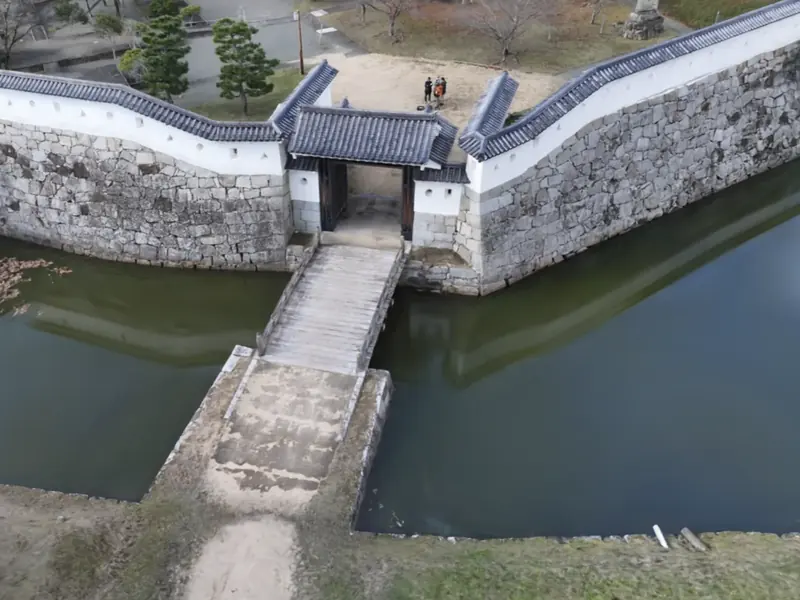
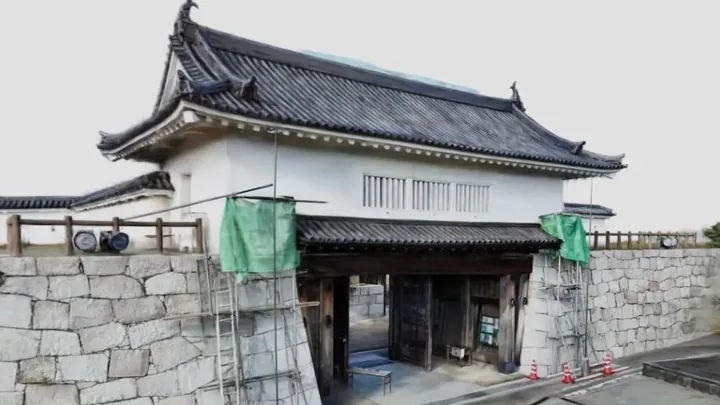
A castle gate surrounded by stone walls and a moat, recorded with 3D Gaussian Splatting

Culture Business area

3D digital archiving
of cultural heritage

Before it disappears, preserve it for the future.
We record buildings, crafts, plants, and human movement in 3D and 4D,
and handle storage, publishing, and use end to end.

Get in touchSee an example in 3D

  • Since 2024Cultural Archive project
    (launched in 2024)
  • 1,000+Scans
    (including unpublished data)
  • 15+Supported file formats
    (including the seven major 3DGS formats)
  • About 15 minTo capture three floors of a
    three-story wooden building (one example)

Why

Why preserve in 3D?

Earthquakes, fires, decay, and a shortage of successors are taking away buildings, crafts, and the skills that sustain them.

Photos and video preserve how something looks from one angle. But they cannot preserve form, texture, or the depth of a space. 3D data records the subject in three dimensions. It can be viewed later from any angle, and it gives researchers and restorers something to work from.

  1. Preserved in three dimensionsThe front, the back, even the top of the roof. Everything we capture can be viewed as a single dataset.
  2. Preserved with its light and texture3D Gaussian Splatting records the sheen of wood and the surface of stone together with the light of the place.
  3. Viewable by anyoneNo special app is needed. Open a URL and view it in a smartphone browser.
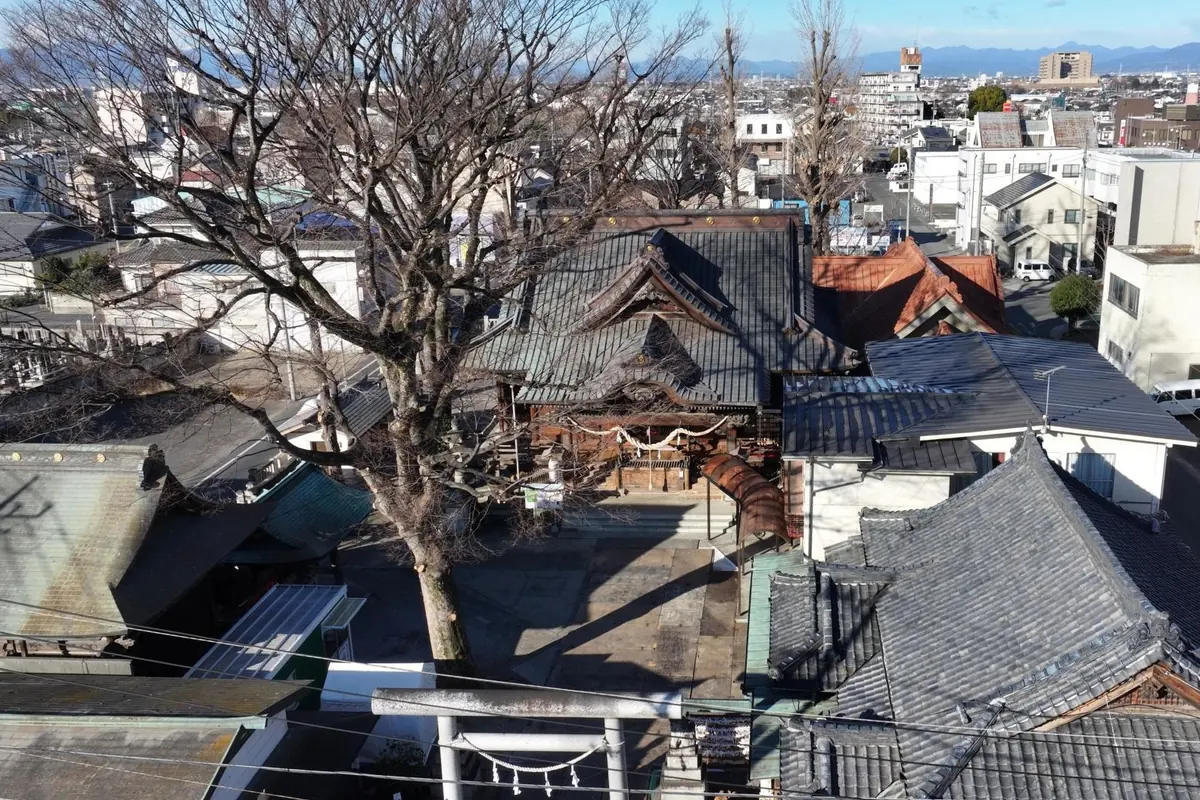
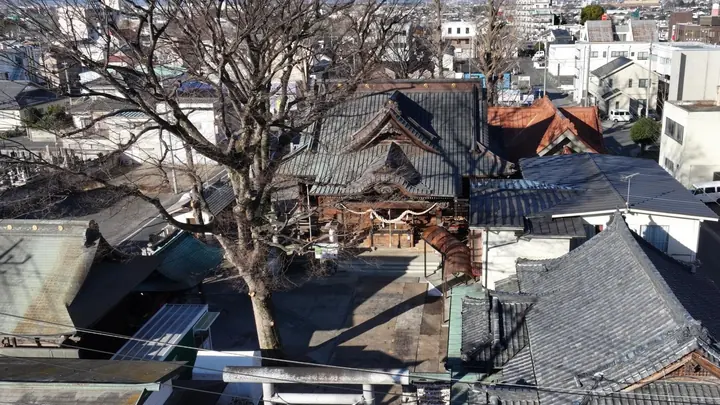
Aerial photo of Isesaki Shrine, surrounded by city buildings and trees
Isesaki Shrine (Isesaki, Gunma Prefecture). The grounds, surrounded by city buildings and trees, were captured from every direction, from the ground and by drone.

What we archive

What we can record

Things that stay still are recorded in 3D. Things that move are recorded in 4D.

  • 3D data of a castle gate and stone walls

    Buildings and spaces

    Temples and shrines, historic buildings, streetscapes. We capture exteriors from the ground and by drone, and interiors with a compact scanner or 360° cameras (Insta360 X6, DJI Osmo 360). When dimensions are needed, we also capture a point cloud with a LiDAR scanner (3DMakerpro Eagle).

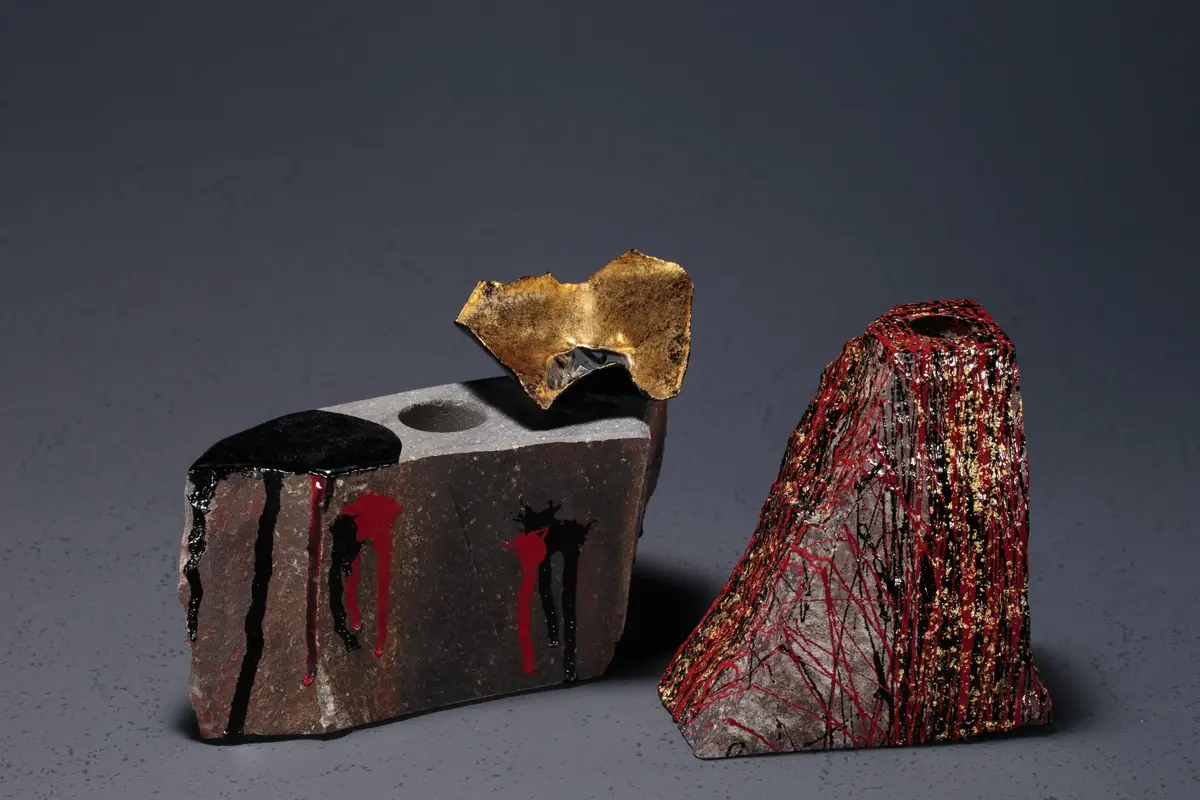
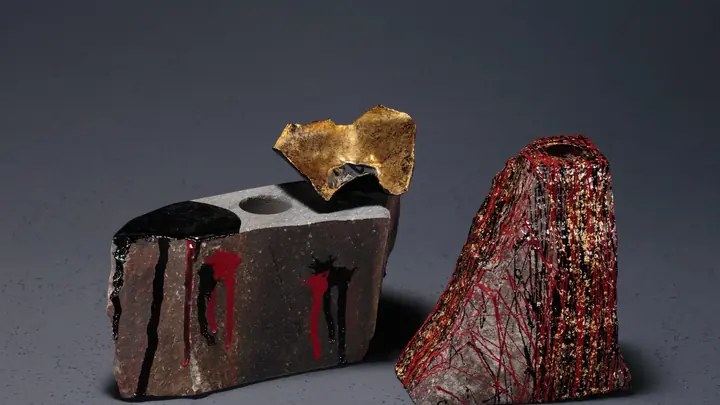
  • A work combining Hon-Komatsu stone and lacquer

    Crafts and artworks

    Chashaku (bamboo tea scoops), works in stone, yosegi-zaiku (wood mosaic marquetry). We record the form and the feel of the material, piece by piece. Fine detail is measured precisely with a laser 3D scanner (Revopoint MetroY Ultra).

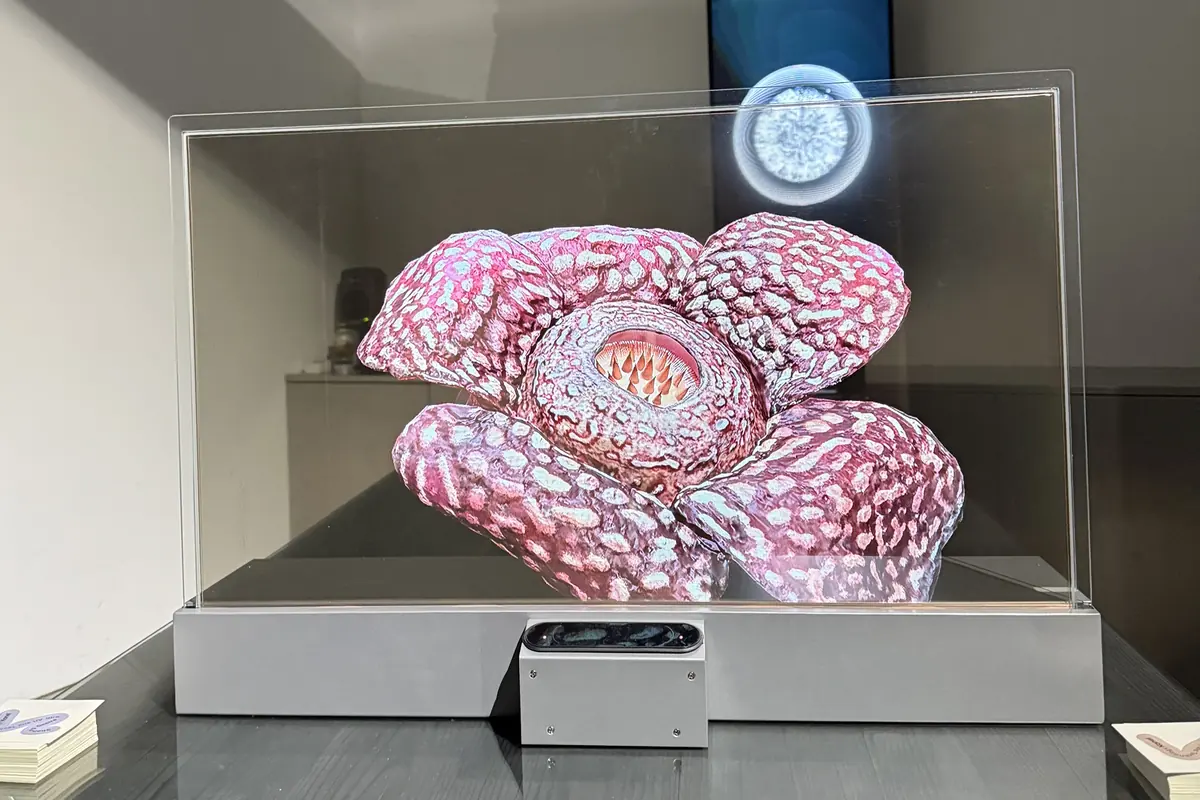
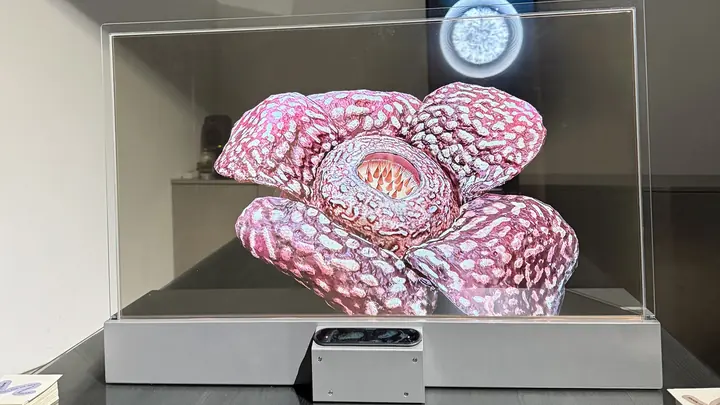
  • 3D data of a plant shown on a transparent display

    Plants and natural objects

    Flowers, trees, rare plants. We preserve in three dimensions what can be seen only in season.

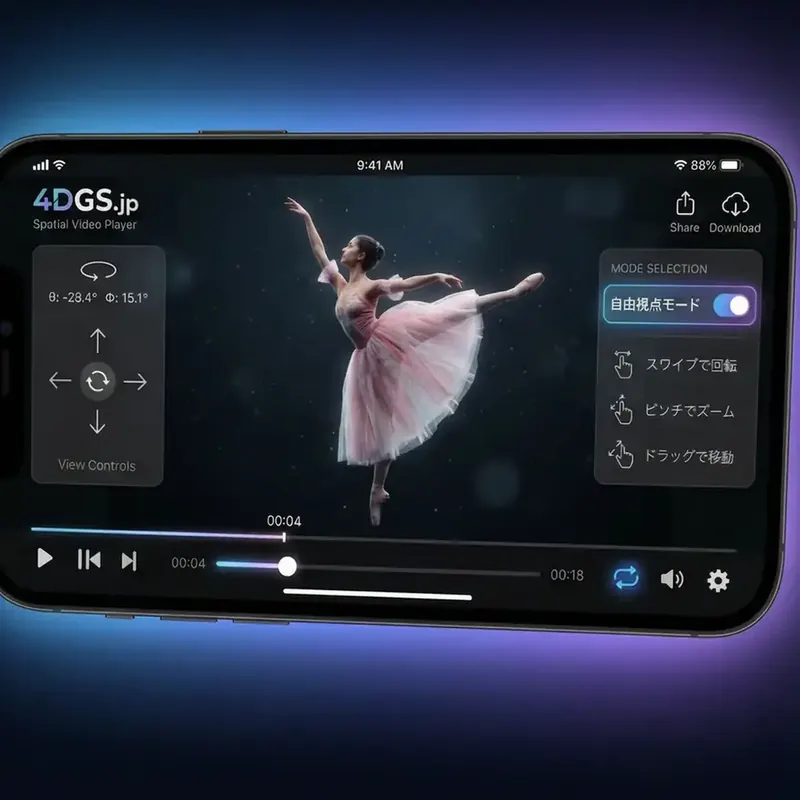
  • The 4DGS.jp screen, replaying a dancer while the viewpoint changes

    Human movement

    We record movement, such as dance and the formal gestures of tea ceremony and other traditional arts, with 4D Gaussian Splatting (4DGS). You can change the viewpoint during playback. To preserve movement as skeletal motion, we use markerless motion capture (AR51).

The method for 4DGS varies with the subject and the capture conditions. A renderer that generates 4DGS from video shot on a single smartphone is in development (September 2026 announcement).

Scan — Archive — Platform

From capture to publishing, end to end

We do not stop at capturing, or at storing.
One company takes care of capture, storage, publishing, and distribution.

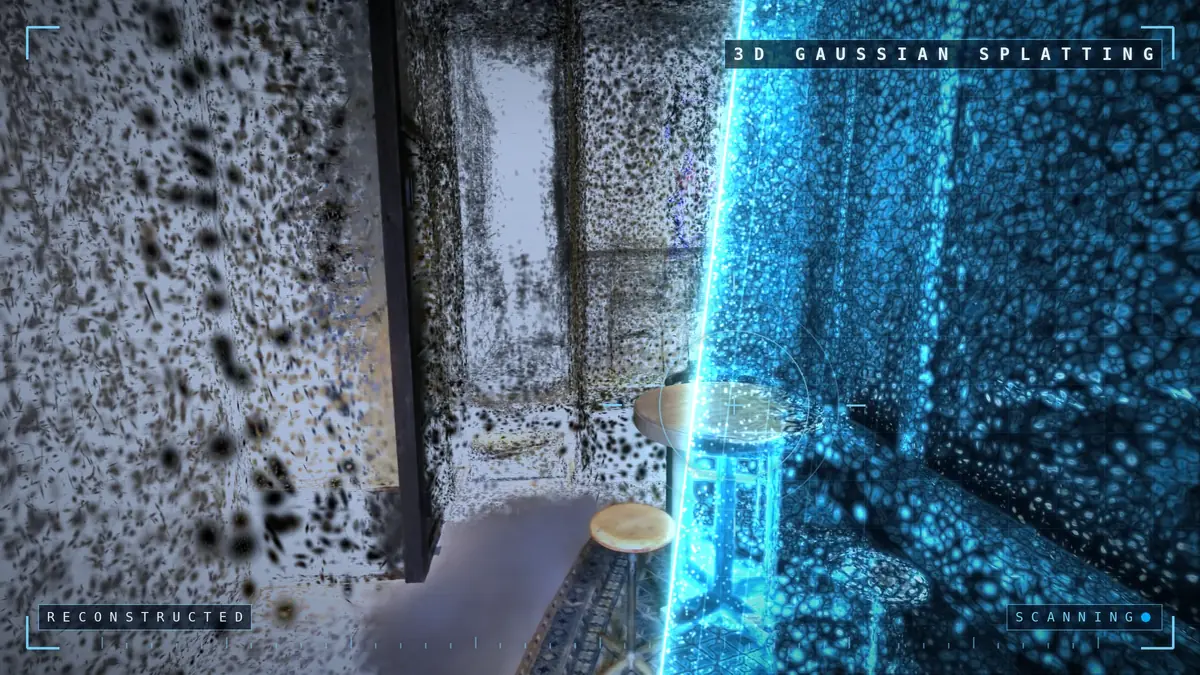
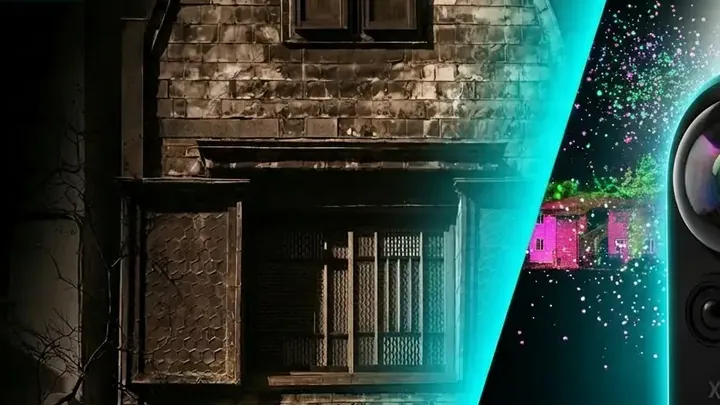
The interior of a building being reconstructed with 3D Gaussian Splatting

01Scan

Capture

  • 3D Gaussian Splatting is our core. Depending on the subject, we also use photogrammetry with DSLR cameras and laser scanning.
  • Outdoors, we capture from every direction, from the ground and by drone. Indoors, we use a compact handheld scanner that carries four cameras and LiDAR (XGRIDS PortalCam).
  • Where trees or neighboring buildings create blind spots, we build the data direction by direction and merge it into one. We developed our own merging tool for this (in beta).
  • We partner with the 3D Scan Technology Association (3DST).

What is Gaussian splatting?About 3D scanningHow we built the merging tool

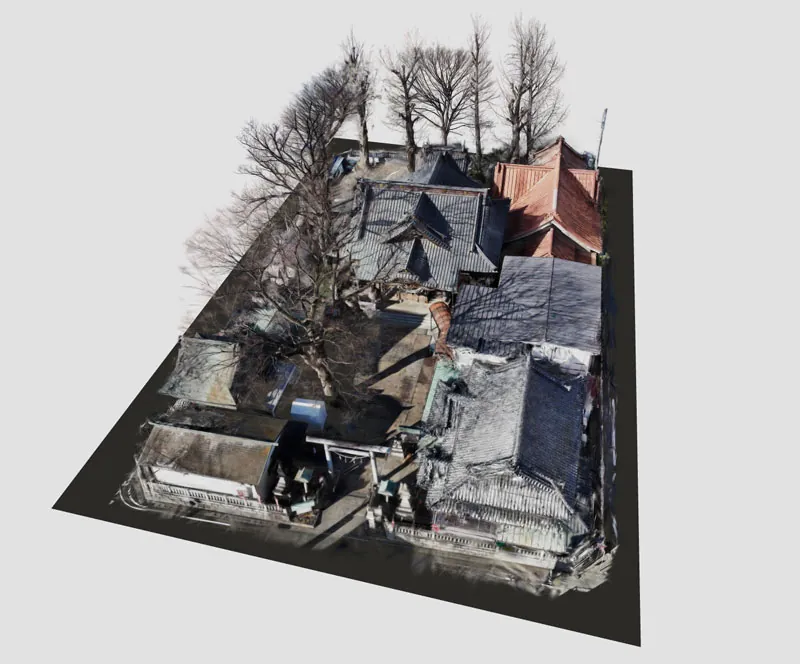
3D data of Isesaki Shrine, merged into one from data captured direction by direction

02Archive

Store

  • We store the source data as PLY. Depending on the use, we convert it to compressed PLY, SPLAT, KSPLAT, SPZ, SOG, or RAD. Counting these seven major 3DGS formats together with GLB, FBX, OBJ, and others, we support at least 15 formats.
  • 3DGS can be converted to a mesh (GLB, STL, or OBJ) for use in 3D printing and 3D content creation tools (3DGS Mesh Converter, in beta).
  • Records of registered data are managed on a blockchain. For craft objects, we have piloted a system that issues data on a "one physical piece = one 3D dataset" basis and treats the data as proof of authenticity.

Supported formatsMesh conversionThe chashaku pilot

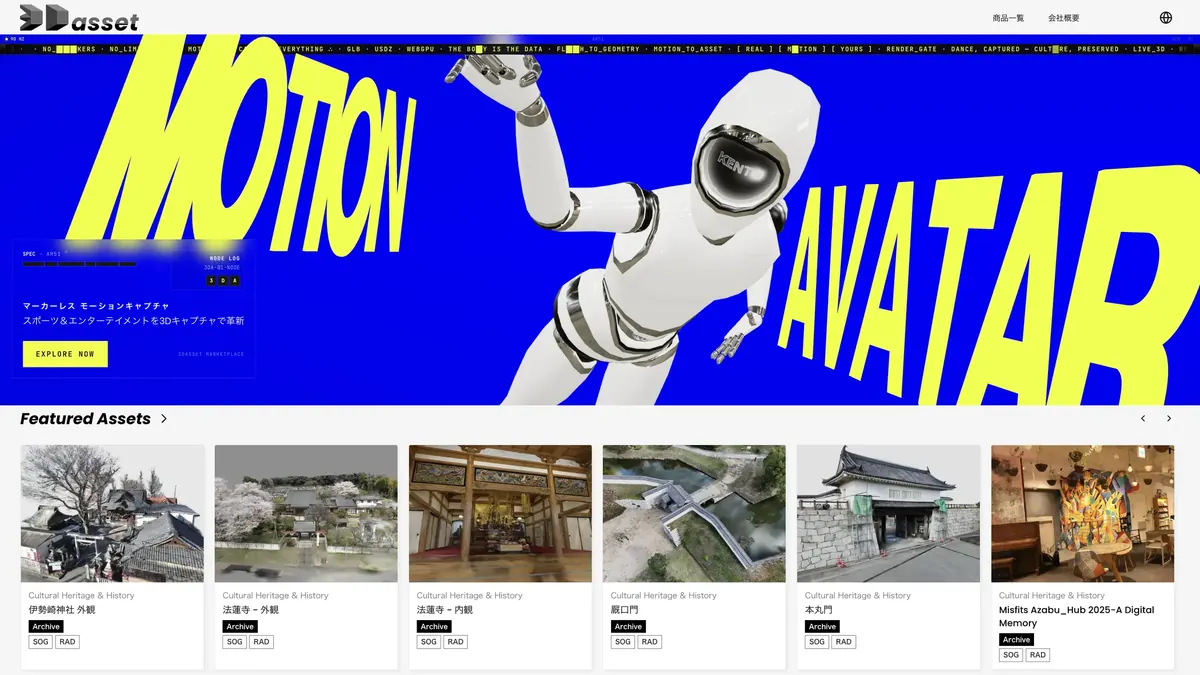
The 3Dasset.io screen, listing 3D data in the cultural heritage category

03Platform

Publish and deliver

  • We publish on 3Dasset.io, which we operate ourselves. No app is needed. Just open a URL to view the data, and it can also be embedded in the website of a local government or an institution.
  • You can place explanatory pins on individual parts (the annotation feature), or guide viewers through the highlights in order.
  • Even large datasets, such as streetscapes and large structures, can be viewed in a smartphone browser. Walkthrough mode lets viewers explore the site at eye level, as if on foot.
  • Data can also be sold. 4DGS, which includes motion, is published and streamed on 4DGS.jp.

3Dasset.io ↗4DGS.jp ↗AnnotationsWalkthrough

Live data

See real data in 3D

Our capture of the Honmaru Gate at Ako Castle is public on 3Dasset.io. Rotate it, move in close, look up at it, all right in your browser.

View the Honmaru Gate in 3D

3Dasset.io opens in a new tab.

Use

Ways to use the preserved data

  • A reference for documentation and restorationYou can refer back, in full 3D, to how something looked before disaster or deterioration. Converted to a mesh, the data can also be used to reproduce the object on a 3D printer.
  • Education and researchPeople who cannot visit the site, and works that cannot be handled, can be studied in a browser. Annotations add explanations.
  • Tourism and outreachEmbed it in an official website or a tourist information page. Anyone overseas can view it from a single URL.
  • Exhibitions and experiencesOn the transparent display xTrace or in VR, the data can be shown in place of the real object, or right beside it.
  • Sales and giving backThe data can be sold. We envision a system that returns that revenue to artisans and to the protection of cultural properties.

Works

Our work

These are projects we have made public. Each article has the details.

Isesaki Shrine photographed from the air

Capture and 3D reconstruction

Isesaki Shrine Isesaki, Gunma Prefecture

Captured from every direction: north, south, east, and west, from above and below, and by drone. The data generated for each direction was merged into a single model with a tool we developed in-house.

Read the articleView in 3D ↗

The exterior wall of Izutsuya, rendered as 3D Gaussian Splatting blobs

Collaboration and release

Izutsuya Late Taisho era (mid-1920s), three-story wooden building

Three floors captured in about 15 minutes with the PortalCam, a compact scanner from XGRIDS. We converted the data to SOG format and published it in a form viewable in a smartphone browser. A collaboration with Active Retech.

Read the article

A work in Hon-Komatsu stone finished with lacquer

Co-hosting and 3DGS archive

The exhibition "Hon-Komatsu Ishi no Tsuya" (The Luster of Hon-Komatsu Stone) Omotesando, Tokyo

Works in Hon-Komatsu stone by artists in stonemasonry, ikebana, and lacquer, digitized with 3DGS. We are archiving every work so that it can still be seen on 3Dasset.io after the exhibition closes.

Read the article

3D data of a rafflesia floating on a transparent display

Joint project and TV coverage

3D archive of plants With plant hunter Seijun Nishihata

A joint project to record the world's plants with 3DGS. It was featured on TBS's "Crazy Journey" (aired February 23, 2026) and Nippon TV's "Oh! My God!" (aired July 4, 2026).

On TBSOn Nippon TVEvent report

Proof of concept

Traditional chashaku "Yuufuku-chaki" All seven works

We archived 3D data of seven chashaku. Each is issued on a "one physical piece = one 3D dataset" basis and managed on a blockchain. The works were provided by Seams Ltd.

Read the articleView on 3Dasset.io ↗

3D reconstruction and special site

Hakone yosegi-zaiku Hakone Maruyama Bussan

We rendered yosegi-zaiku in three dimensions using AI scanning and 3D modeling, and launched a special site to present it to audiences in Japan and abroad.

Read the article

Process

The process

  1. ConsultationWe ask what you want to preserve, why, and how widely it will be published.
  2. Site check and capture planWe check the location, surrounding buildings and trees, and lighting conditions, then decide how to capture.
  3. CaptureWe use ground capture, drones, and scanners as the subject requires.
  4. 3D data generationWe generate the data and, as needed, merge it, reduce its size, and convert formats.
  5. Delivery and publishingWe hand over the data. We can also publish it on 3Dasset.io, set up embedding and sales, and add annotations.

Cost and schedule depend on the size of the subject and how it will be published. We will prepare a quote once we understand what you need.

FAQ

Frequently asked questions

What is 3D Gaussian Splatting (3DGS)?
It is a technique that reconstructs a space from many photos as a collection of tiny blobs (Gaussians). The result is 3D data that looks close to a photograph and can be viewed from any angle. 3DGS is at the center of IZUTSUYA's cultural archiving work.
How do you choose between 3DGS, photogrammetry, and laser scanning?
3DGS is suited to reproducing appearance, texture, and the light of the place. When dimensional accuracy matters, as with drawings or inspections, we add a laser-scanned (LiDAR) point cloud. We combine methods once we understand the subject and your goals.
How long does a capture take?
It depends on the size of the subject and the method. As one example, we captured all three floors of the interior of a three-story wooden building from the late Taisho era (mid-1920s) in about 15 minutes with a compact scanner. Outdoor structures are captured from both the ground and by drone, so the time depends on the weather and on surrounding buildings and trees.
What formats can I receive the data in?
We support the seven major 3DGS formats: PLY, compressed PLY, SPLAT, KSPLAT, SPZ, SOG, and RAD. The original PLY is the default. We handle mesh formats such as GLB, FBX, and OBJ too. For 3D printing or 3D content creation tools, we also convert 3DGS to a mesh.
Can you store the data without publishing it?
Yes. 3Dasset.io also stores data that is not public. If you do publish, you can choose among viewing in a browser, embedding in external sites, and sales.
Who holds the rights to the data?
On 3Dasset.io, rights are tied to the data holder (the issuer) and managed accordingly. Records of registered data are managed on a blockchain.
How much does it cost?
It depends on the size and number of subjects, the capture conditions, and how the data will be published, so we quote once we understand what you need. Start by using the contact form to tell us what you want to preserve.

History

Our journey so far

  1. Established our method for 3D scanning building exteriors and interiors. Article
  2. Formed a partnership with the 3D Scan Technology Association (3DST). Article
  3. Reconstructed Hakone yosegi-zaiku in 3D and launched a special site. Article
  4. Captured Isesaki Shrine in 3D. Announced our work to preserve and pass on buildings and cultural properties across Japan in 3D as the Cultural Archive project. Press release ↗
  5. Held "Plant Digital Experience #01" with Konel. Article
  6. Archived all seven traditional chashaku. Our plant archive project was featured on a TBS program. Chashaku TBS
  7. Captured Izutsuya in 3DGS with the PortalCam. Began collaborating with Active Retech. Article
  8. Co-hosted the exhibition "Hon-Komatsu Ishi no Tsuya." 3Dasset.io added support for the RAD format for large-scale data. Exhibition RAD format
  9. Our plant archive project was featured on a Nippon TV program. Article
  10. Added an annotation feature to 3Dasset.io. Released 3DGS Mesh Converter in beta. Annotations Mesh conversion

Not just recorded,
but preserved so the future can meet it again.

Start by telling us what you want to preserve

A single building or a single work is fine. We will ask about the subject and your goals, then propose a method and a cost.

Contact usAbout 3D scanning

Project launched: 2024 / Page last updated: October 5, 2026